Your AI Strategy Has a Portfolio Problem
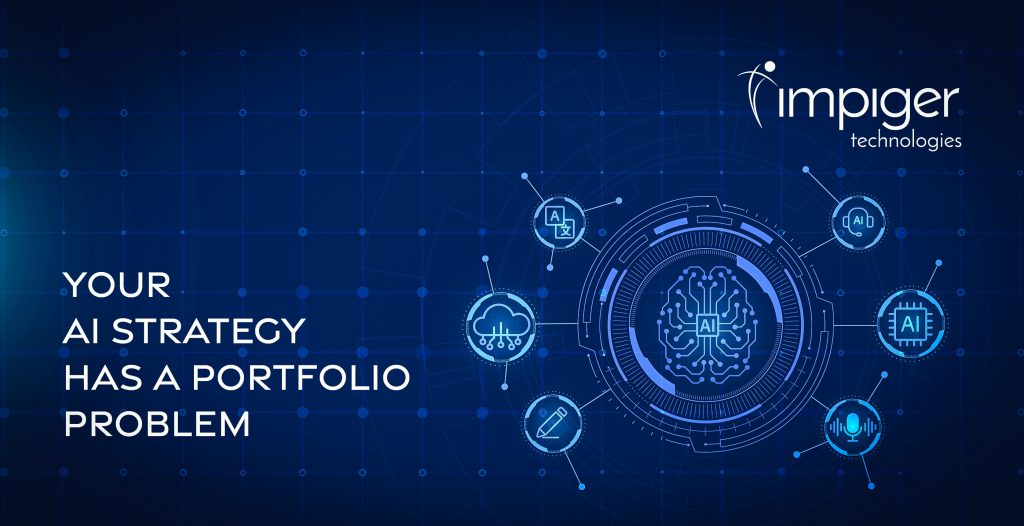
Enterprise AI has no shortage of ideas. Ask ten business leaders where AI could help, and you will probably get twenty use cases. A copilot for one team. An agent for another. A proof of concept in Finance. An automation initiative in Operations. A new tool being evaluated by Sales. Individually, many of these ideas […]
The Enterprise AI Bottleneck Isn’t the Model. It’s the Enterprise.
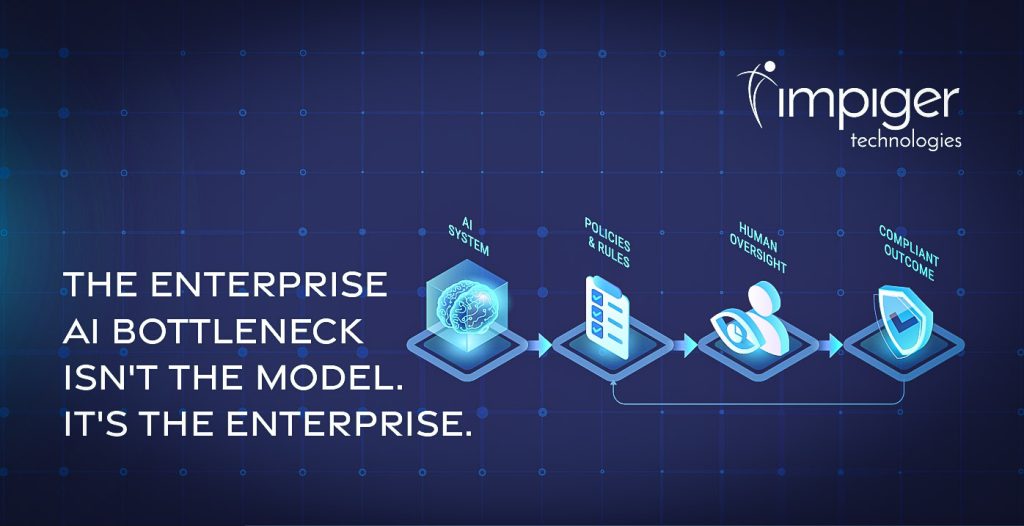
Over the last few years, most conversations about enterprise AI have focused on the technology. Which model should we use? Which platform is better? What can the latest AI agents do? These are important questions, but I don’t think technology is the biggest challenge anymore. AI is advancing faster than most organizations can put it […]
Your Biggest Business Risk May Not Be Inside Your Business
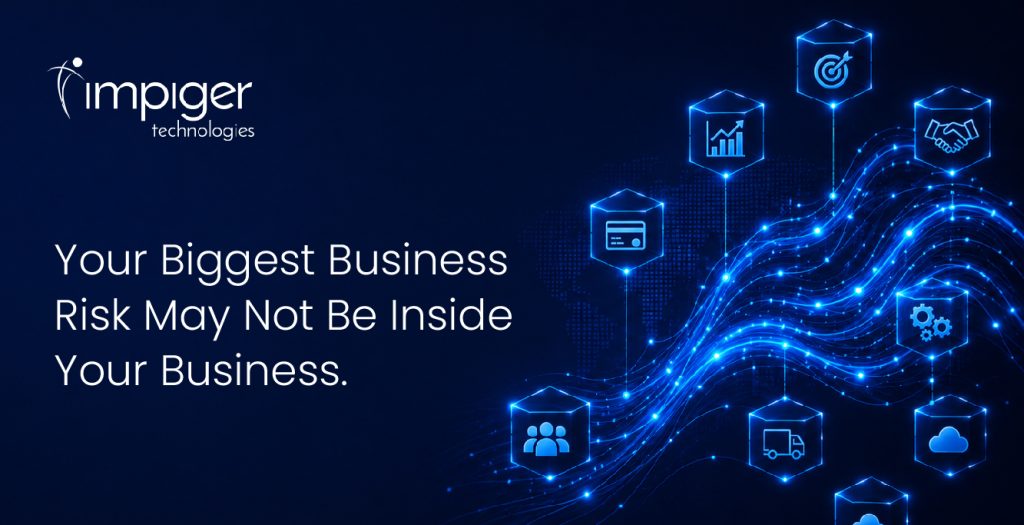
For a long time, enterprises measured their strength by what they owned. Their infrastructure, their people, their processes, and their technology defined how the business operated. If those assets were secure and well governed, leaders could be reasonably confident that the business was resilient. That picture has changed dramatically. Today’s enterprise extends far beyond its […]
Why Real Time Compliance Is Becoming a Business Requirement
For years, compliance was viewed as the function that stepped in after the work was done. A new product was developed, a supplier was selected, or a customer was onboarded, and only then did compliance begin its review. That approach made sense when businesses operated at a predictable pace and regulatory expectations changed gradually. Today’s […]
Why the Three Lines of Defense Need an AI Native Operating Model
For decades, the Three Lines of Defense has been the foundation of enterprise governance. The model is simple: the first line manages risk through day to day business operations, the second line provides oversight through risk, compliance, and security functions, and the third line independently validates that those controls are working. It has remained relevant […]
The Audit Cycle Is Ending | Continuous Assurance Is Taking Its Place
For years, audit teams have worked toward a familiar milestone. The audit begins, evidence is collected, interviews are scheduled, findings are documented, and recommendations are presented. Once the engagement is complete, the organization moves on until the next review arrives. Nobody questions the process because it’s how enterprise auditing has always worked. But something has […]
The Rise of Autonomous KYC Operations with Agentic AI
For years, Know Your Customer (KYC) processes have sat at the center of regulatory compliance and risk management. They help organizations verify identities, assess risk exposure, prevent financial crime, and maintain trust across customer relationships. But while the purpose of KYC has remained largely unchanged, the environment surrounding it has transformed dramatically. Customer volumes have […]
From KYC to Audit: How Agentic AI Is Unifying Enterprise Execution
If you zoom out and look at how most enterprises operate today, something slightly counterintuitive shows up. On one side, there are highly specialized systems doing exactly what they’re supposed to do. KYC platforms verify customers. Audit systems track controls. Identity platforms manage access. Security tools monitor threats. Each function is getting more sophisticated. On […]
Why Enterprise Audits Still Depend on Manual Coordination
If you spend a little time inside most enterprise audit teams, one thing becomes clear very quickly. The tools have improved. The expectations have grown. The environments have become far more complex. But the way audits actually get done still looks surprisingly familiar. People are still following up over email. Still waiting on screenshots. Still […]
Why Compliance Teams Spend More Time Chasing Evidence Than Managing Risk
Most compliance teams didn’t get into governance to spend their days chasing screenshots, digging through email threads, or following up on missing documents for the third time in a week. But somewhere along the way, that became the job. In many enterprises today, compliance operations revolve less around understanding risk and more around collecting proof […]